Diameter against breaking strain, and the metres on the spool
The best monofilament fishing line for 2026
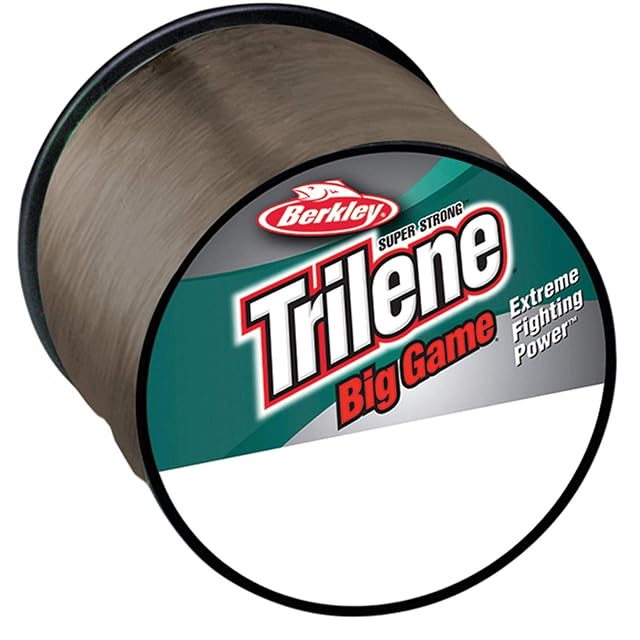
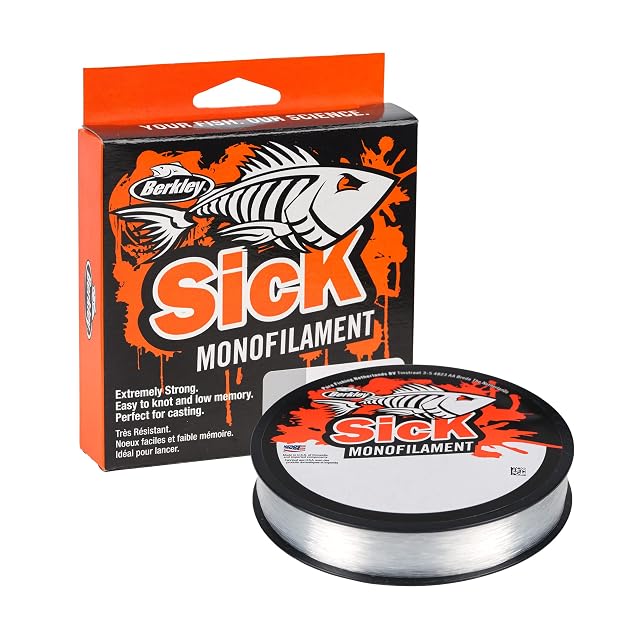
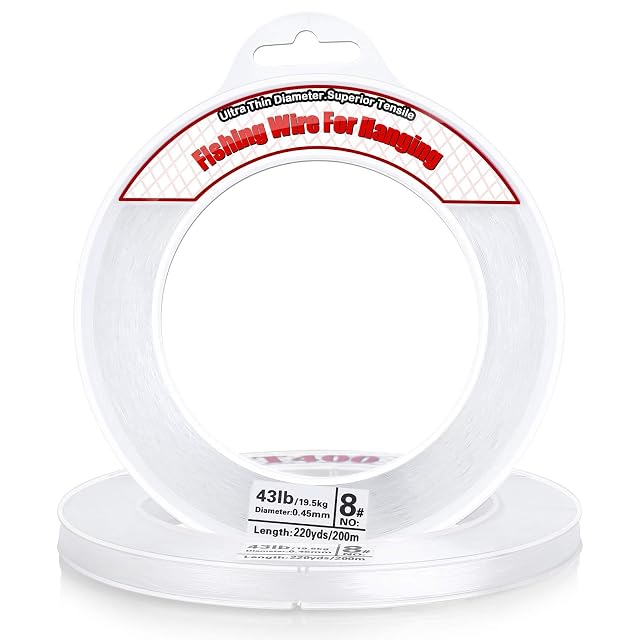
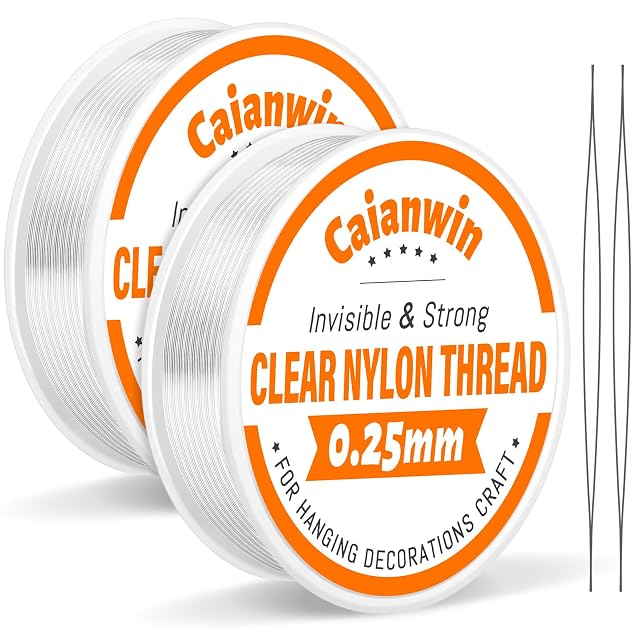
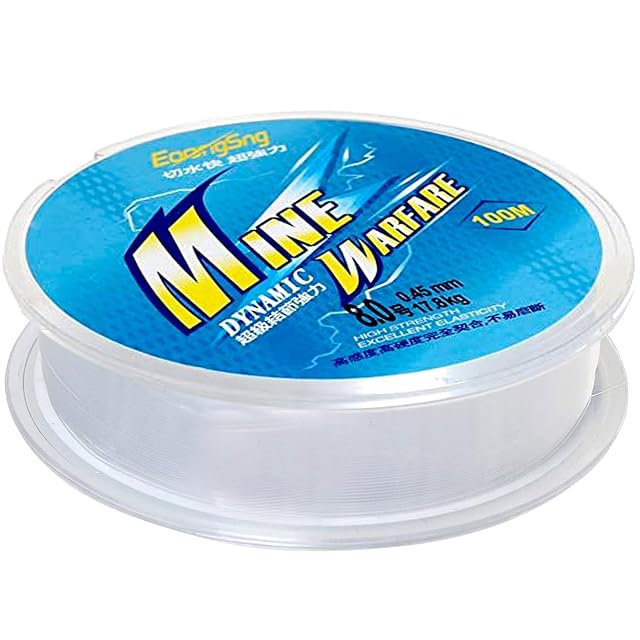
Monofilament is a single nylon strand, and it is bought on two numbers that always come as a pair: a diameter in millimetres and a breaking strain in kilos or pounds. The corpus prints both — 0,25 mm on the Caianwin at 5,99 €, 0,45 mm for 18 kg on the Acejoz at 5,99 €, 17 LB and 7,7 kg on the Berkley Trilene Big Game at 13,99 €. Read them together, because the ratio is the quality of the nylon: two lines at 0,45 mm that break at 18 kg and at 12 kg are not the same product, and the thinner line at equal strength casts further and is seen less. The spool length is the third figure and it changes the arithmetic completely: 100 m on the XMBYGEY at 3,58 €, 200 m on the Acejoz, 1000 m on the Berkley Trilene at 13,99 €. A thousand metres is a bulk spool that fills four reels, and the price per hundred metres is where the cheap line stops being cheap. Two properties separate nylon from everything else on the neighbouring shelves, and Berkley names both on the Sick Nylon at 8,99 €: low stretch and low memory — « geringe Dehnung », « wenig Drall ». Nylon stretches, and that stretch is forgiveness on a hook-set and vagueness on a bite; it also holds the coil of the spool, which is what « Drall » describes and what makes an old line cast in loops. Abrasion resistance, « abriebfest », is the third property and the reason nylon still wins over gravel and mussel beds. Colour is not cosmetic: « transparent » and « klar » disappear in clear water, brown hides over gravel, and a high-visibility line lets you watch the line rather than the tip. We compare diameter, breaking strain, spool length, stretch, abrasion resistance, colour and price per hundred metres.