Mitchell 1558843
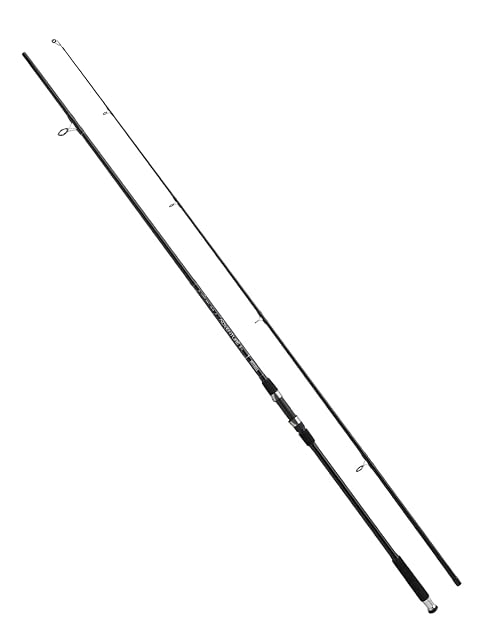
2,10 m, 8–25 g, 2 pieces, glass composite, stainless guides, EVA grips
A glass composite blank at twenty euros, sold plainly as a beginner and junior rod.
Best for: A first lure rod, or a rod that will be treated roughly
Budget
Every family on this site has a bottom. These four sit there, and the point of this guide is not to pretend they are bargains: it is to say what each one leaves out, so you know whether the saving is a saving or a deferred purchase.
Cheap that gets replaced in a season is not cheap. Here is what each of these gives up.
3,6 m of glass fibre, retractable, with an extended non-slip grip — and a listing that states it is for small fish.
That last phrase is the reason it is here rather than a reason against it. It is the cheapest rod in the whole corpus and the only one whose seller sets a limit on it out loud. Believe them.
What it gives up: reach, lightness, and any second use. This is a stream rod for small fish.
2,10 m, rated 8–25 g, two pieces, glass composite, stainless guides, EVA grips. Sold plainly as a beginner and junior rod, which is a rare thing for a listing to admit.
What it gives up: the blank. Glass composite is heavier and duller than carbon and it is also much harder to break, which for a first rod — or a rod that lives in a car boot — is the right trade.
Note the rating: 8–25 g is a general lure and light leger band. It will not cast a 3 g perch lure.
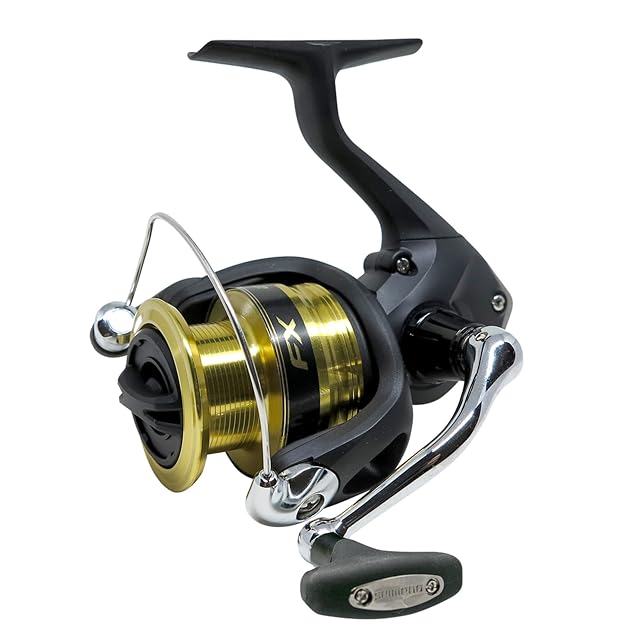
A size 4000 with a front drag, from a house everyone knows.
What it gives up: everything except the size, the drag position and the name. No ratio, no weight, no capacity, no bearing count, no drag figure. This is worth understanding rather than resenting — at this end of a shelf, the badge is the specification.
Extends to 130 cm, folds to 42 cm, three extensions, and a published maximum load of 3 kg.
That rating is the most useful figure in this guide, because it is a limit stated out loud. Its own title says carp; the fifth feature says 3 kg. Read the second.
Line and hooks. Both cost less than a coffee and both are the entire connection to the fish.
On the monofilament shelf here, five of the seven publish a diameter and a strength and two publish neither. Two hook sets go further and pair each hook size to its own line diameter, which is the one piece of matching a beginner cannot work out alone.
2,10 m, 8–25 g, 2 pieces, glass composite, stainless guides, EVA grips
A glass composite blank at twenty euros, sold plainly as a beginner and junior rod.
Best for: A first lure rod, or a rod that will be treated roughly
Size 4000, front drag — no further figures published
A 4000 from a known house at under twenty-five euros, with nothing published behind the size.
Best for: A second 4000 reel, or a first one where the price decides
The pole and the net, probably not — each does a defined job within a stated limit. The rod and reel, eventually, when you know which kind of fishing you have chosen. That is not a fault of theirs: nobody knows on day one.
Almost everything. On the reel you get a size and a front drag and nothing else — no ratio, no weight, no capacity, no bearing count, no drag figure. That is the real cost of the bottom of a shelf, and it is worth naming: you cannot compare what is not printed, so you are buying the name.
Sometimes. The complete pole set elsewhere on this site arrives with the rig mounted and a disgorger in the box, which removes three separate purchases and a lot of guesswork. Kits are good where the parts must match and bad where one part is filler.
Line and hooks. They are the two cheapest things in the sport and the only two between you and the fish. This site has seven monofilaments and seven hook sets, and two of the hook sets pair every size to its own diameter — read that before choosing either.
For : A first lure rod, or a rod that will be treated roughly
Main strength : Glass composite is harder to break than carbon, which the listing makes its central claim
Main limitation : Glass transmits less than carbon, so a light take is felt less clearly
For : A second 4000 reel, or a first one where the price decides
Main strength : The cheapest reel on the shelf at 24,90 €, from a house with a long service record
Main limitation : Three lines of specification, and not one figure among them
The models here come from the catalogue of this site. Specifications are those published by the manufacturer and on the Amazon product page; prices are what Keepa reported on the date below, and both move. The ranking uses declared specifications, the balance of stated strengths and limitations, and price. No product on this site has been physically tested, and nothing here claims otherwise.
Last checked on
The figure beside a product asked the shop for itself the moment this page opened; a figure inside the text has sat still since the sentence was written, and the first of the two is the one to trust.
Tackle gets bought the week before the trip, which is the worst possible moment to judge a price: demand on these shelves climbs from March and falls away after September, so a figure struck through in June says nothing whatever about what the same reference cost in December. UniverTrack keeps a week-by-week history for each retailer, so a reduction can be held against a figure somebody actually paid rather than one written for the banner — and it says when the moment to order has genuinely come.